What’s new in Paid Media?
Here’s what marketers need to know.
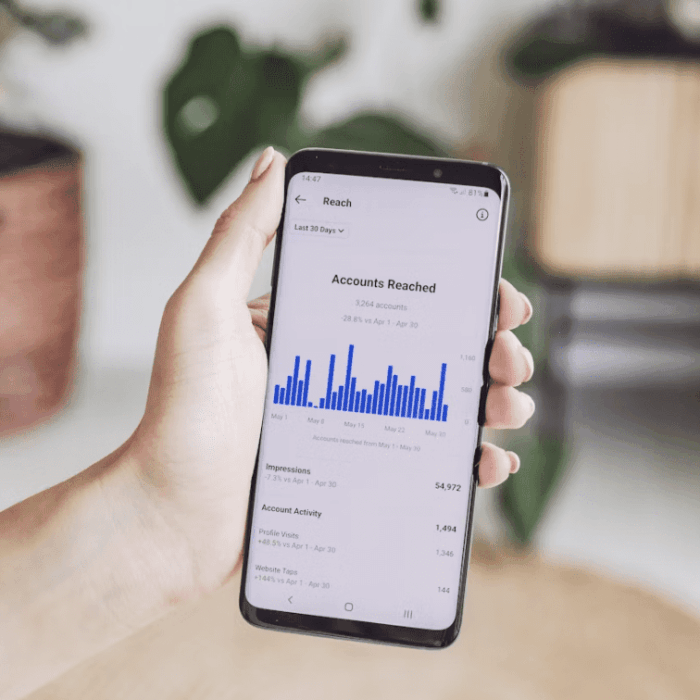
Paid media continues to evolve at a rapid pace, and as 2026 is now well underway, the changes are more significant than ever. Artificial intelligence is transforming campaign management, privacy regulations are reshaping audience targeting, and new platforms are challenging the dominance of Google and Meta.
This article looks at the trends currently shaping paid media, from AI and automation to connected TV and retail media networks, and explains what these shifts mean for businesses aiming to maximise their return on investment today.
Paid media continues to be one of the most effective ways to reach audiences at scale. While organic marketing remains valuable, reach is often limited by algorithms and competitive saturation. Paid campaigns ensure visibility, deliver precision targeting, and provide measurable results that can be optimised in real time.
What has changed is the way paid media integrates into the wider customer journey. It is no longer just a channel for driving direct response or quick conversions. Increasingly, it supports the full marketing funnel, building awareness, nurturing consideration, and driving loyalty alongside sales. This evolution requires businesses to think more strategically about where budgets are allocated and how performance is measured.
This year so far, Google Ads, Meta, Microsoft, and emerging ad networks are leaning heavily on AI to optimise bidding strategies, creative testing, and audience targeting. Google’s Performance Max campaigns are a clear example of this shift, moving away from manual keyword management to predictive audience modelling.
For advertisers, this trend promises faster optimisation, reduced campaign management time, and access to insights that would be difficult to achieve manually. However, it also introduces new risks. Over-reliance on automation can lead to budget misallocation or poor targeting if campaigns are left unchecked. The winning formula in 2026 is AI-assisted, human-led campaigns allowing automation to handle scale and efficiency, while marketers bring the strategy, brand understanding, and creative oversight.
Another defining paid media trend from 2025 was the final decline of third-party cookies. With tighter privacy regulations and growing consumer awareness, advertisers have been forced to pivot towards sustainable data strategies. First-party data captured via CRM systems, loyalty programmes, and email sign-ups is becoming the backbone of effective audience targeting.
Alongside this, contextual advertising is making a resurgence. Ads are increasingly being placed based on the environment in which content is consumed, rather than an individual’s browsing history. For brands, the trend is clear that those who invest in consent-based, transparent data collection will hold a competitive advantage, while businesses that continue to depend on third-party signals will see targeting precision steadily decline.
In 2026, diversification is one of the most important trends in paid advertising. Google and Meta still account for a large share of ad spend, but businesses are increasingly seeking new platforms to reach audiences.
Connected TV (CTV) is growing rapidly, offering advertisers the reach of television with the targeting capabilities of digital media. Streaming giants like Netflix, Disney+, and Amazon Prime Video have rolled out ad-supported tiers, providing brands with new opportunities to capture attention in premium, high-engagement environments.
At the same time, short-form video remains dominant across TikTok, Instagram Reels and YouTube Shorts. These formats drive some of the highest engagement rates in digital advertising, particularly among Gen Z and younger millennial audiences. However, they also demand continuous creative production and a strong understanding of platform culture to deliver consistent results.
Retail media networks are also reshaping the landscape. Platforms such as Amazon Ads and now UK players like Tesco Media are enabling brands to target shoppers at the point of purchase intent. For e-commerce and FMCG advertisers, this channel is becoming one of the most powerful drivers of conversion in paid media.
A major challenge is proving the value of paid media in a fragmented ecosystem. Traditional last-click attribution models no longer reflect the reality of customer journeys, which span multiple platforms and devices. Instead, advertisers are adopting more advanced approaches such as incrementality testing, brand lift studies, and multi-touch attribution models.
The key trend here is a shift away from vanity metrics like clicks or impressions towards more holistic measurements of business impact, from customer lifetime value to brand awareness growth. Paid media is increasingly being viewed not as a short-term acquisition tool, but as a long-term growth engine that integrates across the full marketing funnel.
Paid media is now more sophisticated, more data-driven, and more fragmented than ever before. Success depends on embracing automation without losing strategic control, building first-party data foundations, diversifying across new channels, and applying smarter measurement models that go beyond vanity metrics.
The brands that thrive will be those that see paid media not simply as a short-term acquisition channel but as a core driver of long-term business growth.
At Clever Clicks Digital, we offer a wide range of paid media management services, including PPC (Pay Per Click), Display Advertising, Google Shopping and Paid Social Ad Campaigns. We also offer a wide range of training and consultancy services to give your team the knowledge they need to succeed across these channels.
If you’re interested in learning more, get in touch.
Explore Paid Media
How AI Is Changing Digital Marketing in the UK (And What to Do About It in 2026)
Read full blog
5 Things That Make Visitors Bounce from Your Website Instantly
Read full blog