How To Start A Career In Digital Marketing



Digital marketing is shaping the future of business in 2025. In the UK, brands are investing heavily, with over £35.5 billion spent on digital advertising alone, accounting for nearly half of all marketing budgets. And this growth isn’t slowing down, with the industry set to expand by around 6.3% annually through to 2027. This surge is reflected in the job market too, with more than 78,000 live digital and marketing vacancies in May 2025, making it one of the most in-demand career sectors in the country. So, if you’re considering a future in digital marketing, the opportunity has never been stronger.
Read our blog below to explore how to get started and build a successful career in this fast-growing industry.
Digital marketing attracts both creative and analytical thinkers alike. It offers flexibility, progression and a skills-based pathway where demonstrable ability matters more than traditional qualifications. It suits those who enjoy solving problems, studying trends, creating content, optimising performance or a blend of all of these. Crucially, it offers a career path that can be shaped by your strengths rather than predetermined academic routes.
The UK is exceptionally well-positioned for this growth, with adults now spending over four hours online per day, with mobile usage responsible for nearly 79 % of that time. Businesses of every size, from start-ups, SMEs, agencies to national brands are prioritising online visibility, search performance and performance marketing. Strong digital skills are increasingly fundamental to business success.
The good news is that there are several entry-level routes into digital marketing, even without direct sector experience. A Digital Marketing Assistant role gives you exposure to multiple channels, including email, social media, content uploads, campaign reporting and website updates. It is a strong starting point for those who want breadth.
If your strength is writing, research or planning, Content Marketing Assistant or Junior Copywriter roles help you develop SEO-led writing skills, tone of voice awareness and content strategy foundations. If you enjoy data, problem-solving and campaign tracking, entry roles such as SEO Executive, Junior PPC Executive, or Digital Performance Analyst offer technical experience and clear progression.
If you are drawn to platforms, creative storytelling and community engagement, Social Media Executive or Community Manager positions allow you to manage brand presence, audience engagement and insight tracking.
Whatever the starting point, the focus should be on creating tangible work samples, campaigns published, posts managed, copy written, and reports produced. This becomes the foundation of your future portfolio.
Employers consistently look for core skills in SEO, content marketing, data interpretation and social media management. At the beginner level, understanding how to optimise content for search, interpret GA4 data, build content calendars, and track engagement signals, as well as developing capability and commercial awareness.
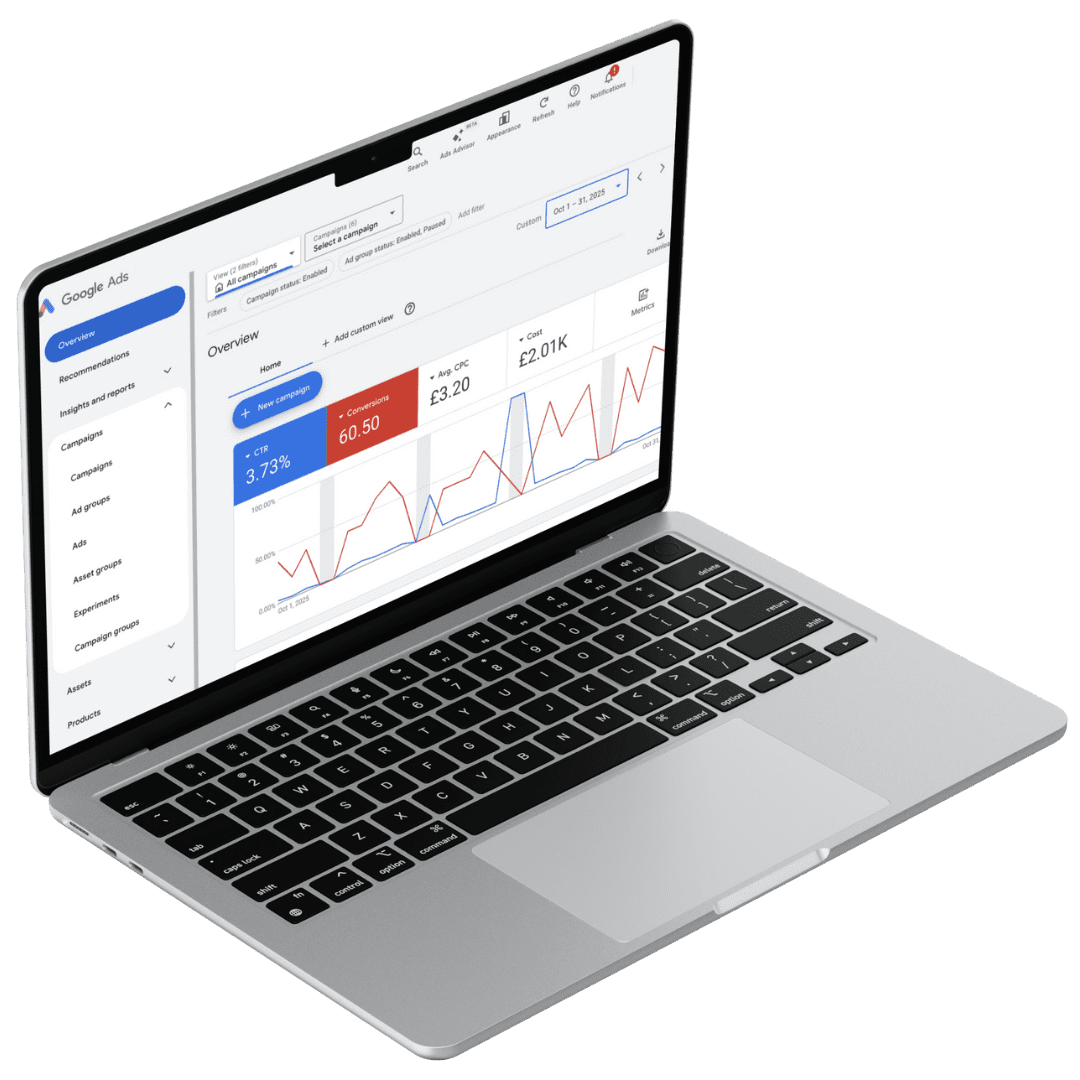
Paid media is particularly valuable to learn early with Google Ads, Meta Ads and LinkedIn campaign management among the most in-demand skillsets in the UK market. Familiarity with creative tools such as Canva, CapCut or Adobe Express adds practical value. Just as importantly, employers value soft skills: adaptability, communication, problem-solving and a genuine willingness to continue learning as the tools and platforms evolve.
Certifications are particularly useful when transitioning from education or another sector. Take a look at our top picks for 2026.
Gaining skills in digital marketing doesn’t always have to come from employment. Instead, you can showcase your skills by writing a blog, building a simple website, or managing a social media account for a local business. These experiences help you apply concepts such as SEO, content planning, analytics and campaign testing, while also giving you real data to show future employers. Volunteer work, internships or supporting small businesses are strong ways to gain practical experience quickly. Many small businesses and charities welcome digital marketing support, even on a freelance or part-time basis.
In digital marketing, a strong portfolio can often speak louder than a CV. Employers want to see evidence of what you’ve actually worked on, whether that’s blog content, social posts, email campaigns, adverts you’ve created or performance reports you’ve interpreted. It doesn’t matter if the work was unpaid. Supporting a local business with their SEO, designing social media content for a community group or tracking engagement for a charity campaign all count as valuable experience. These real projects help you build case studies, show your thinking and explain the results you achieved.
Many beginners use Canva to design professional-looking portfolio slides or visual case studies that clearly demonstrate what they’ve done and how they made an impact.
Once your foundation is established, you can progress into specialisms such as SEO, PPC, social strategy, analytics, content strategy or marketing automation. These roles often lead to Digital Marketing Manager, Performance Marketing Lead, Head of Growth or Head of Digital positions. The UK’s digital agency sector alone is set to surpass £20.4 billion in revenue in 2025, having grown by around 7.2 % per year since 2019. That level of growth generates new senior roles, freelance opportunities and consultancy pathways.
Your career direction does not need to be fixed early on; what matters is that you evolve with the industry, deepen your skills and keep moving forward.
A career in digital marketing is suited to people who are willing to continue learning and stay adaptable. You don’t need to have every skill before you begin – most people develop their abilities by working on real projects, testing strategies and building pieces of work they can showcase. A clear portfolio with examples of content you’ve produced, campaigns you’ve managed or performance data you’ve analysed often speaks louder than qualifications alone.
If you’re looking to gain digital marketing knowledge, the Clever Clicks Digital Training is designed for emerging marketers at every level. It bridges the gap between theory and real-world application, equipping you with the core skills, tools and industry insight employers are actively seeking. Get in touch today.

Top 10 SEO Tools You Need for Your Digital Marketing Strategy
Read full blog
Discover the top digital marketing trends set to shape 2026 from AI-driven personalisation to immersive content and evolving SEO strategies. Stay ahead of the curve.
Read full blog